Parque Maeda
Itu, SP
- Best months
- Jan, Feb, Mar, Oct, Nov, Dec
- Water
- Freshwater
- Price
- $$
Fishing conditions now
See the fishing conditions at Parque Maeda
Bite forecast, best hours and alerts — free in the app.
Open in FishNerdCatches at Parque Maeda
Real photos from anglers who tagged this venue — with their consent.
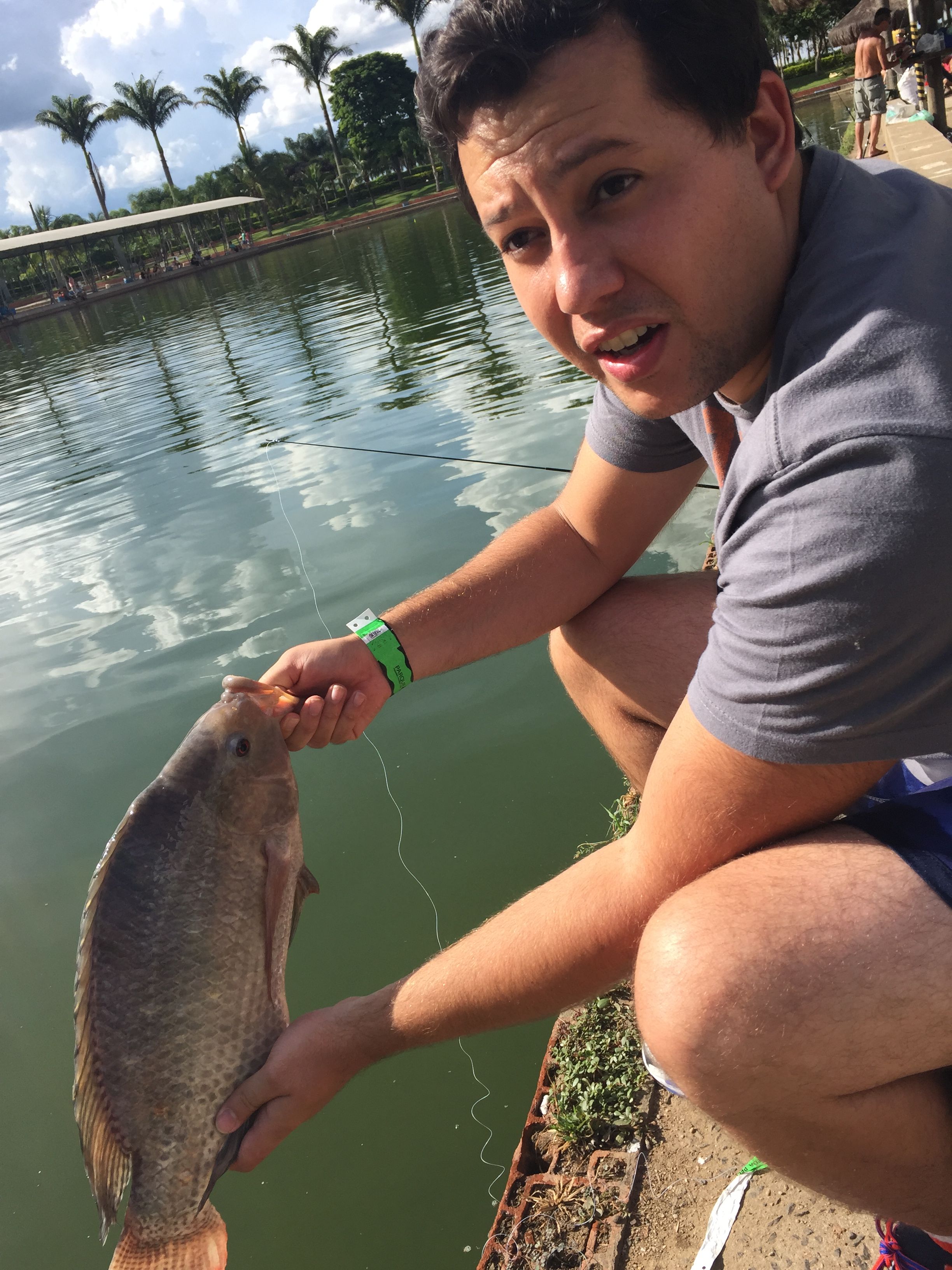
Fished here? Tag your catch in the app and join this album.
Get FishNerdWhere the bites are
Approximate points (≈5 km) — never a catch's exact spot, and not linked to the photos.
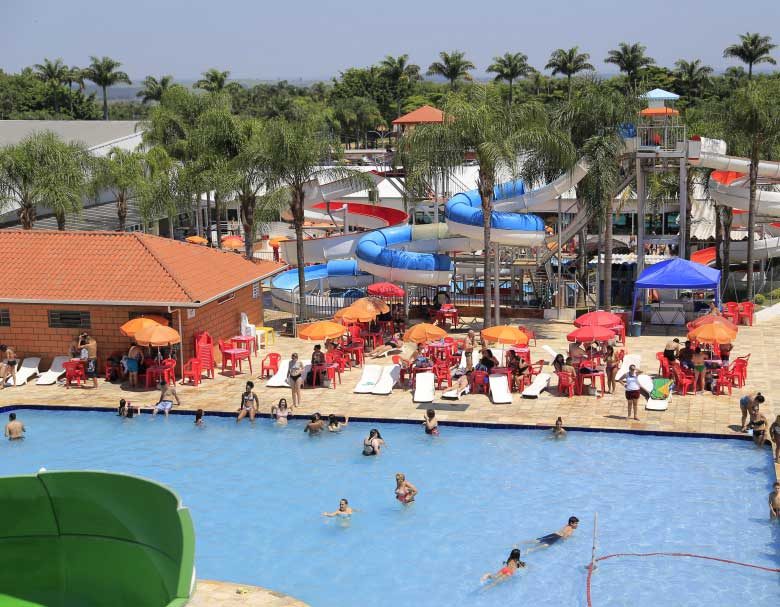
Parque Maeda is not one fishing spot, it's a complex: the official site describes itself as the "largest fishing complex in Brazil" and sells fishing access separately by sector, each with its own phone line, calendar, and fee. This changes how you plan the trip: whoever buys the day-use Passport (lunch, water park, cable car, little train, Japanese Garden) only gets fishing rights in the Parque tanks — the Tancão and the Growout Tanks (Tanques de Engorda), where the big fish are, are paid separately. Before leaving home, decide which sector you'll fish and call that sector's extension.
The three sectors — and what changes between them
- Parque Tanks (5 tanks): part of the banks covered against sun and rain, inside the central attractions area. It's the easiest sector, recommended for beginners and kids, the only one included in the Passport and the only one with night fishing. Daytime Thursday to Monday, 7:30am to 6pm; night session 5pm to 11pm (closed Tuesday and Wednesday).
- Tancão: the trophy sector, with more than 50,000 m² of water surface, forest-lined banks, and bridges giving access to opposite sides of the lake. This is where the biggest tambacu (tambacu), dourado (golden dorado), carp, and pincachara (pincachara hybrid) are found. Stated hours: 7:30am to 6pm. The fee also applies to an adult companion who isn't fishing.
- Growout Tanks (Tanques de Engorda) (5 tanks, about 25,000 m²): selected species at good density, the middle ground between action and size — tambacu (tambacu) is the most sought-after fish there. Open Wednesday to Monday, 7:30am to 6pm, closed on Tuesdays.
- Caiaque Fishing: a separate lake for kayak fishing with artificial lures, with online booking and limited slots. A 2024 source reported the area temporarily unavailable, and the website doesn't publish hours, price, or rules for it — don't count on this option without confirming by phone.
What you actually catch
- Tambacu (tambacu) — the signature fish of the place, with giant specimens reported at the Tancão and the Growout Tanks; reports mention fish in the 30 kg range (some sources cite up to 40 kg in the big-fish areas).
- Pacu (pacu), tilapia, and carp: bighead carp (including albino specimens), Hungarian carp, and mirror carp show up in almost every report — carp is the fish that saves the day when tambacu (tambacu) won't bite.
- Catfish species: pintado (South American catfish), cachara (cachara catfish), and the pincachara hybrid (pintado × cachara), plus catfish/bagre in the Parque tanks.
- Dourado (golden dorado) and matrinxã (matrinxã), mentioned repeatedly and absent from our old fact sheet.
- At the Caiaque Fishing lake, the published list includes traíra (wolf fish), blue peacock bass (tucunaré-azul), yellow peacock bass (tucunaré-amarelo), pirarucu (arapaima), native tilapia, matrinxã (matrinxã), dourado (golden dorado), pintado (South American catfish), and boca-de-jacaré (needle-nose fish).
- Tambaqui (tambaqui) and redtail catfish (pirarara) appear in articles about the park, but there's no official species list on the site, and one of our checks couldn't confirm them — treat these as possible, not guaranteed.
When to go: the idea that "it's only worth it from October to March" doesn't hold up here. These are managed tanks fed by water wheels, without a river's flood-and-drought pulse, and there's no closed season, spawning ban, or seasonal shutdown announced. Field reports in the middle of winter describe about fifteen carp before lunch and tambacu (tambacu) hitting the chum feeder float in the afternoon, and a team that visits monthly recorded active fish year-round. What is physiologically true: round-bodied fish like tambacu (tambacu), pacu (pacu), and tambaqui (tambaqui) have metabolisms tied to water temperature (the best-performance range for tropical species is around 25–32 °C / 77–90 °F), so from September to April, especially after a few days of stable heat, surface fishing with a chum feeder tends to be more explosive. In winter, especially with cold fronts moving in, fish deeper and slower, focusing on carp and tilapia — and take advantage of emptier tanks. At any time of year, the most decisive practical factor is the operating calendar (Tuesday and Wednesday are risk days) and arriving early, both for the morning bite and for a shaded parking spot.
Baits and techniques that have worked at Maeda
- Round-bodied fish on the surface: chum feeder float loaded with feed pellets, a 1.5 to 3 m (5 to 10 ft) leader with a bead, small antenna float, or foam "patch" imitating floating feed — antenna floats in feed colors, white, brown, blue, and orange are the ones mentioned in local reports.
- When the strong midday sun kills the topwater bites (a pattern seen at the Growout Tanks, with activity concentrated in the morning and late afternoon), switch to heart of palm bait, feed pellets, or a deeper presentation with a torpedo float/sliding weight.
- Doughs that worked at the Tancão: Japanese-style dough, miso dough, guava paste, coconut sweet ("beijinho") dough, and sausage; the tackle described in one report at the smaller lake included Barão floats, Tinu Sure #7 hooks, and Meitou Maruseigo 22 hooks, with antenna floats.
- Catfish species (pintado and cachara): bottom fishing with carnivore dough and sausage, casting the bait close to the bank and into the corners of the lakes, in spots with less angler traffic.
- Ultralight gear pays off with the catfish: 2.20 m (7'2") rods, micro spinning reels, and 0.23 mm monofilament line were used successfully at Maeda — the fight is long, and that's exactly the appeal.
- Tilapia: telescopic rod with scented dough worked over a chummed spot.
- The fee doesn't include rod, reel, hook, float, feed, or bait. There are tackle and bait shops in the sectors themselves, plus rental rods, carts, and beach umbrellas, but the good gear is still on you.
Prices, rules, access, and contacts
- Fishing by sector (Parque, Tancão, or Engorda), per the fishing page's rate table: adult age 11+ R$ 100; child age 5–10 and senior 60+ R$ 70. Anyone who fished during the day at the Tancão or the Engorda can extend into the night session at the Parque tanks for an extra R$ 40. Staying past 11:15pm can result in a R$ 40 fine added to the tab.
- The currently stated mode is sport fishing with mandatory catch-and-release. The day rate includes a shared landing net and a safety mat to support the fish.
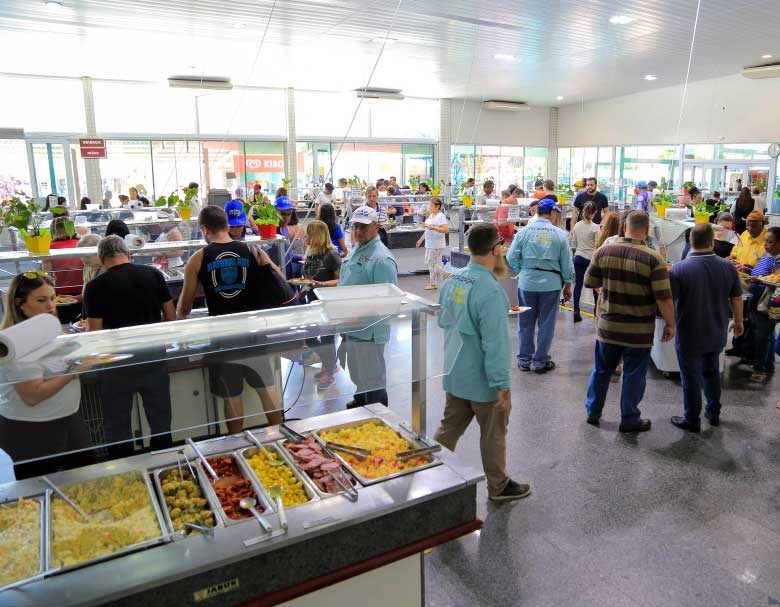
- The day-use Passport (cheaper when bought online; the box office charges R$ 30 more per ticket) includes fishing only in the Parque tanks, self-service lunch with a drink, water park, little train, cable car, paddle boats, individual ATV, Japanese Garden, Giant Tree, and Water Wheels.
- On-site lodging with Couple's Chalet, Family Chalet, Apartment, and Apartment Plus (3 to 7 people), breakfast included, 24-hour front desk, private pool, kids' playroom, game room, and gym; rates are dynamic and available only through the reservations line.
- Official address: Rodovia Deputado Archimedes Lammoglia, KM 18, Zona Rural, Itu – SP. Coming from São Paulo (approx. 75 km / 47 mi), take Castello Branco highway (SP-280) to exit 78, then SP-075 to km 18; from Sorocaba and Campinas, access is direct via SP-075, with paved road all the way to the entrance gates.
- Phone numbers: Parque (11) 2118-6200 | Lodging (11) 2118-6262 | Tancão (11) 2118-6290 | Engorda (11) 2118-6289 | Group tours (11) 2118-6246. General WhatsApp (11) 94303-9767, Tancão (11) 95053-9872, Engorda (11) 99831-1537. Note: there have been fake profiles using the park's name — the official Instagram is @parquemaeda.
Video
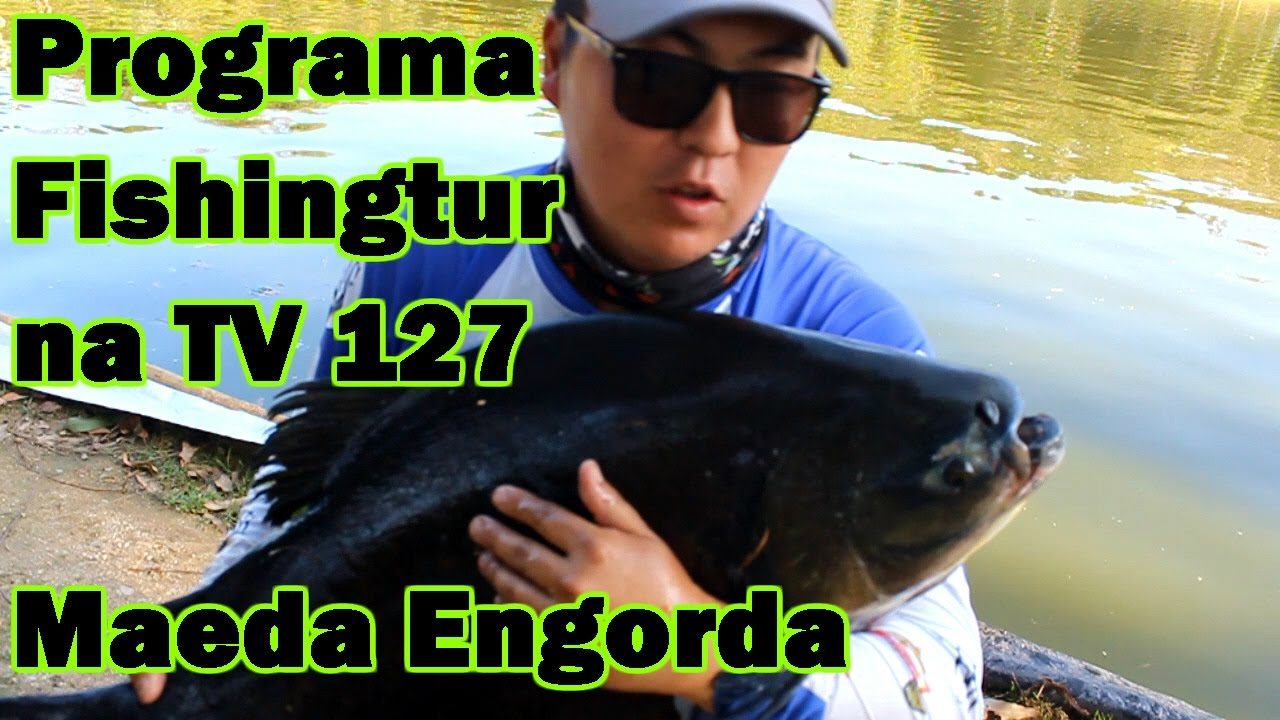
Programa Fishingtur na TV 127 - Pescaria na ENGORDA do Parque Maeda — filmed by Fishingtur
Programa Fishingtur na TV 091 - Pescaria leve no Pesqueiro Parque Maeda — filmed by Fishingtur
Programa Fishingtur na TV 009 Pescaria nos tanques 5 e 6 do Parque Maeda — filmed by Fishingtur
What you can catch
- Tambacu
- Redtail Catfish
- Tambaqui
- Pirarara
- Pintado
- Cachara
- Pacu
- Tilápia
- Carpa-cabeçuda
Location
Contact
- parquemaeda.com.br
- Rodovia Deputado Archimedes Lammoglia, Km 18, Itu - SP
- +551121186200
- WhatsApp +5511943039767
Take FishNerd fishing
Log your catches, see what is biting, and find your next trip.
Point your camera to get the app
Sources
- São 4 pesqueiros para escolher — Parque Maeda (site oficial)
- Preços avulsos — Parque Maeda
- Passaporte / Day Use — Parque Maeda
- Pousada — Parque Maeda
- Contato — Parque Maeda
- Parque Maeda x Inverno – Uma combinação perfeita (Fishing News)
- Parque Maeda – Pescaria de outono no lago menor do Tancão (Tambaluko)
- E as ações não param no Parque Maeda! Pescaria no Tanque de Engorda (Tambaluko)
- Parque Maeda – Gigante no tamanho e na diversão (Tambaluko)
- Caiaque Fishing: Parque Maeda possui lago voltado à prática do esporte (Portal Sorocaba)
- Parque Maeda terá lago para pesca com caiaque (Fish TV)
- Parque Maeda (Revista Mundo OK)